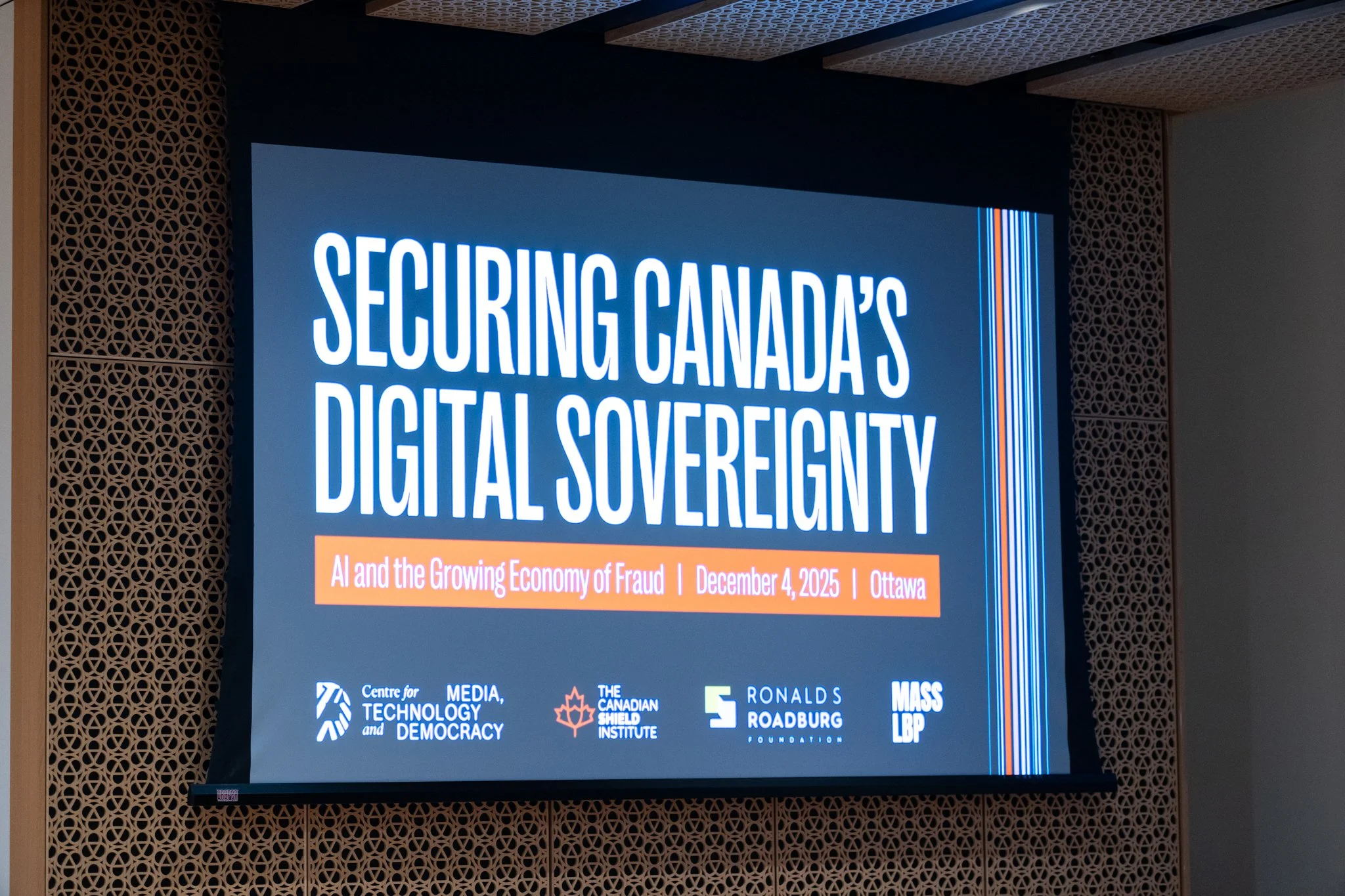

The rapid adoption of generative AI has opened a new frontier for financial crime. Fraudsters now use deepfakes, cloned voices, and AI-generated content to impersonate trusted public figures, fabricate investment opportunities, and scam consumers at scale. Around the world, governments are beginning to respond—Taiwan with real-identity ad laws, Australia with coordinated public-private task forces, and the EU with new transparency requirements.
Canada is not immune. Recent monitoring of the federal election uncovered AI-generated fake CBC stories promoting cryptocurrency scams, exploiting regulatory gaps and undermining election integrity. Yet while Canada debates AI safety, AI-enabled financial fraud has not been squarely placed on the federal policy agenda. With the Finance Minister’s announcement of a new anti-fraud strategy and the creation of a Financial Crime Agency, Canada stands at a critical inflection point.
This Ottawa convening will bring together global experts, leading policymakers, and regulators to examine the scope of the threat and chart potential legislative and regulatory responses. With lightning talks setting the global context and two high-level panels on market concentration and legislative solutions, the workshop aims to push forward a Canadian agenda on AI-driven financial fraud within the broader AI safety debate.
Event Program:
4:30 PM - Registration
5:00 PM - Welcome & Framing Remarks
Host, Peter MacLeod, MASS LBP
5:05 PM - Lightning Talks
The Global Landscape of AI-Driven Fraud
An overview of how AI scams are evolving worldwide, from celebrity impersonations to deepfake-driven investment fraud, and the diverse regulatory responses.
Anya Schiffrin, Director, media, advocacy and communications program, School of International Affairs at Columbia University
What We Know About AI Fraud in the Canadian Information Ecosystem
Findings from election monitoring and fraud tracking that reveal the scope of AI-enabled scams in Canada.
Aengus Bridgman, Associate Director of Research, Centre for Media, Technology and Democracy and Media Ecosystem Observatory, McGill University
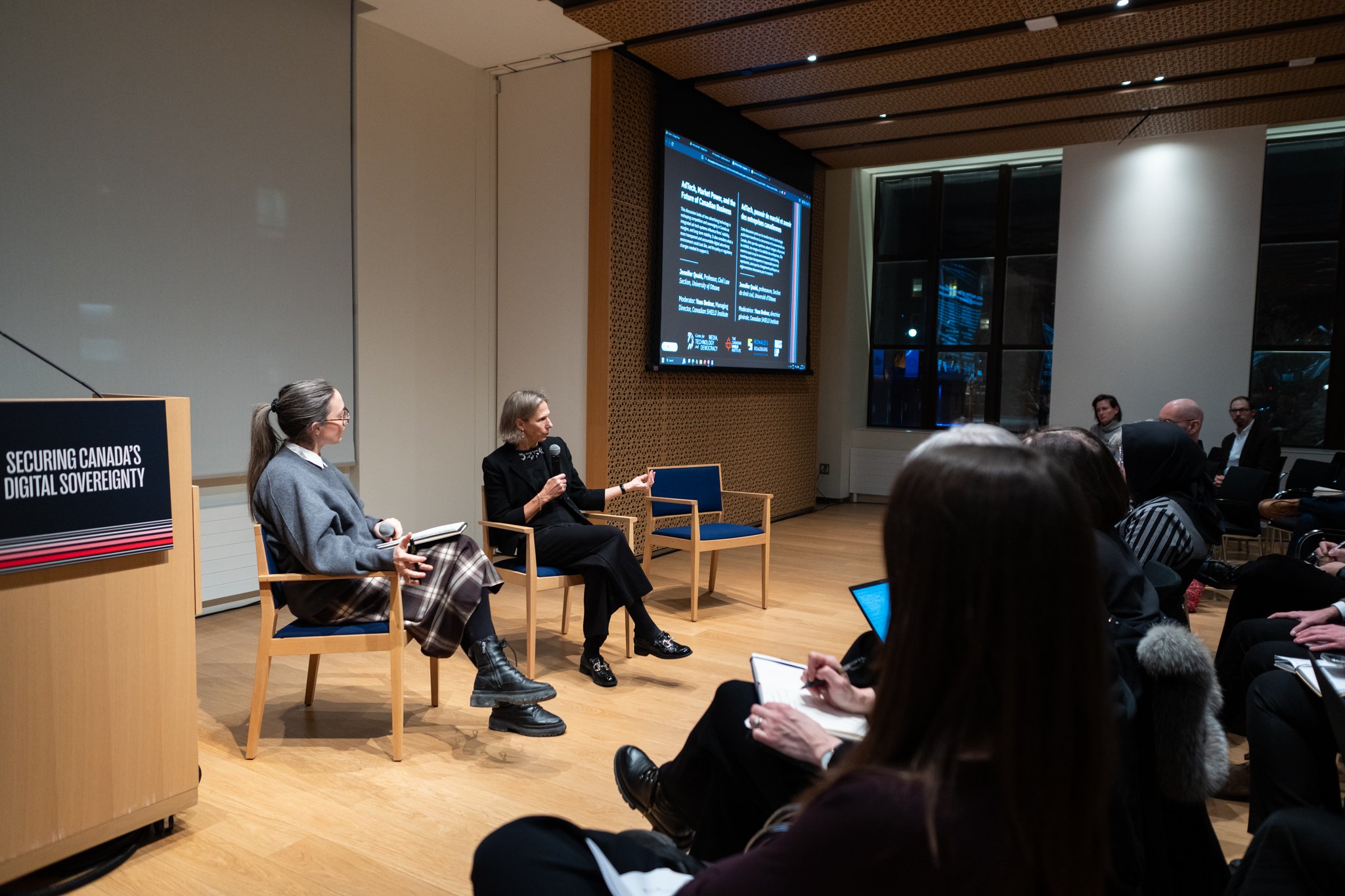
5:25 PM - Panel 1: AdTech, Market Power, and the Future of Canadian Business
Moderator: Vass Bednar, Managing Director, Canadian SHIELD Institute
Speaker:
Jennifer Quaid, Professor in the Civil Law Section, University of Ottawa
A focused conversation on how advertising technology is reshaping competition, value chains, and sovereignty in Canada. This panel examines the rising influence of integrated ad-tech ecosystems—from search to marketplaces—and how their extraction tools affect Canadian firms’ visibility, margins, and long-term viability. It explores what a more transparent, accountable, and sovereign digital advertising environment could look like, and what policy, business, and regulatory innovations are needed to get there.
5:50 PM Panel 2: Adtech, Misinformation, and the Fraud Infrastructure
This panel examines how the digital advertising ecosystem and misinformation networks enable AI-driven financial fraud. Iesha will highlight how opaque adtech systems allow scams to spread through legitimate ad channels, while Craig Silverman will draw on his investigations into online misinformation to show how deceptive content strategies amplify fraud. Together, they will identify structural vulnerabilities in the ad and media ecosystem and discuss regulatory levers for greater transparency and accountability.
Moderator: David Reevely, Ottawa Correspondent, The Logic
Speakers:
Iesha White, Director of Intelligence, Check My Ads
Craig Silverman, Journalist and Misinformation Expert
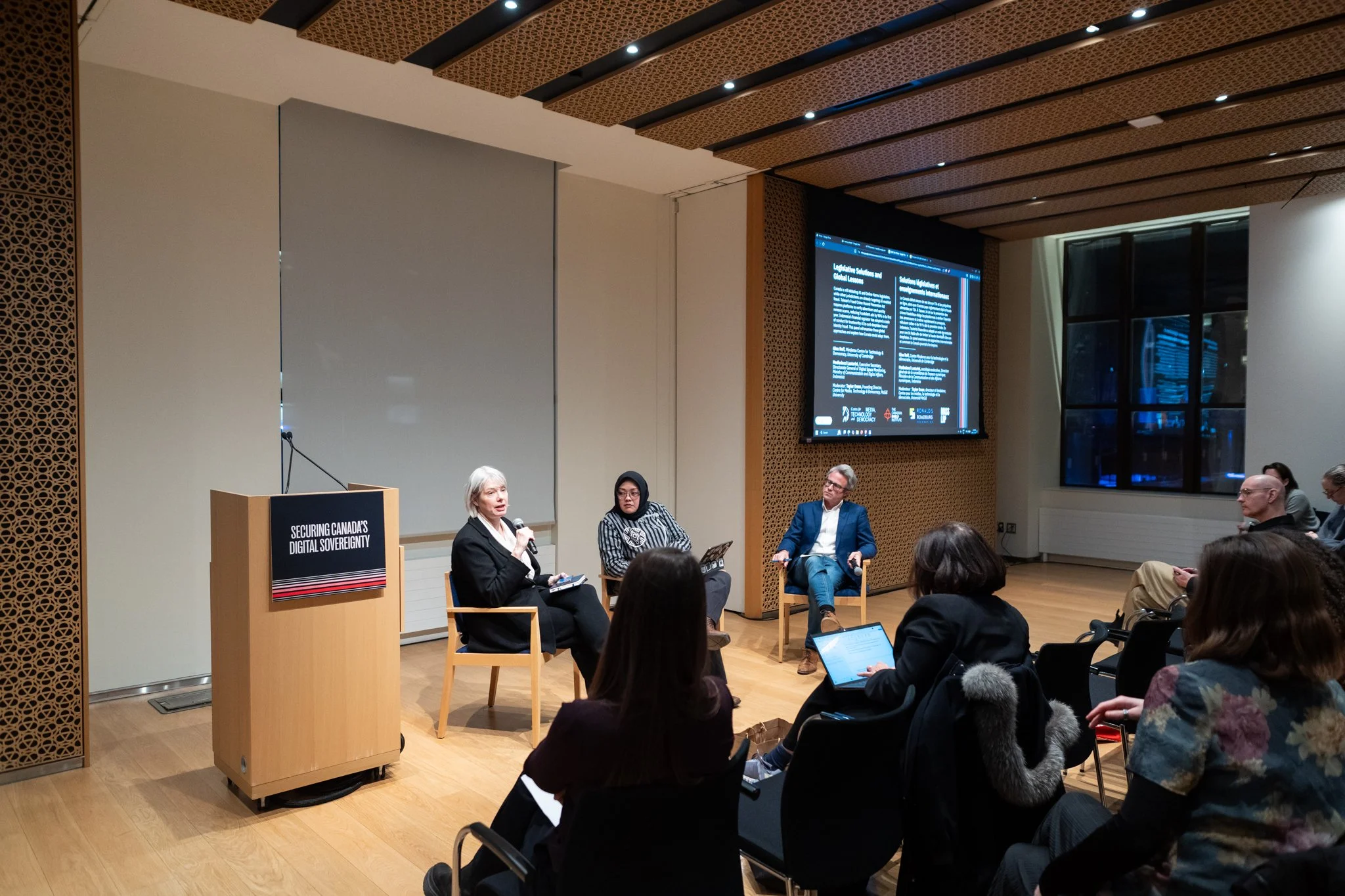
6:15 PM - Panel 3: Legislative Solutions and Global Lessons
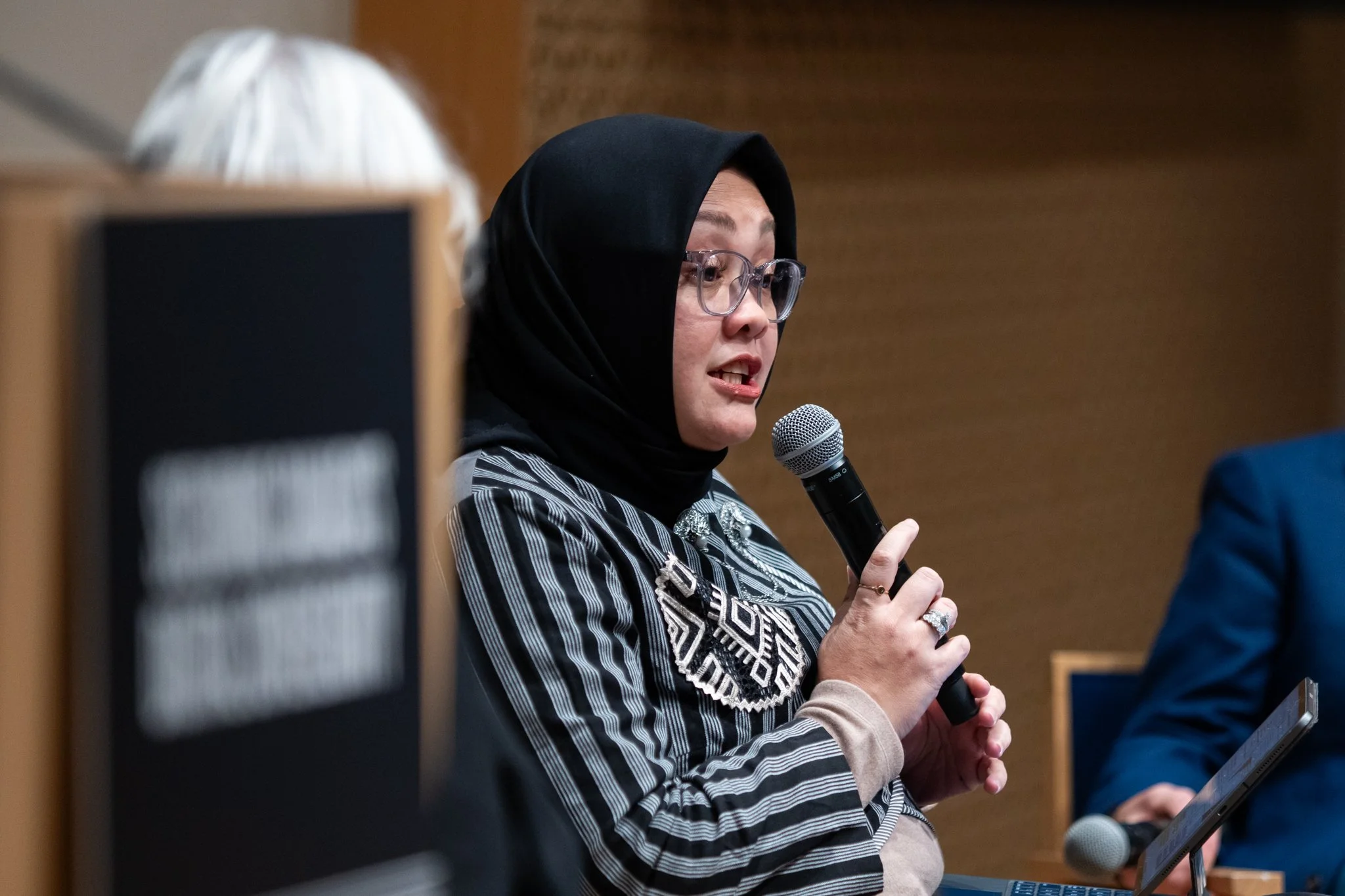
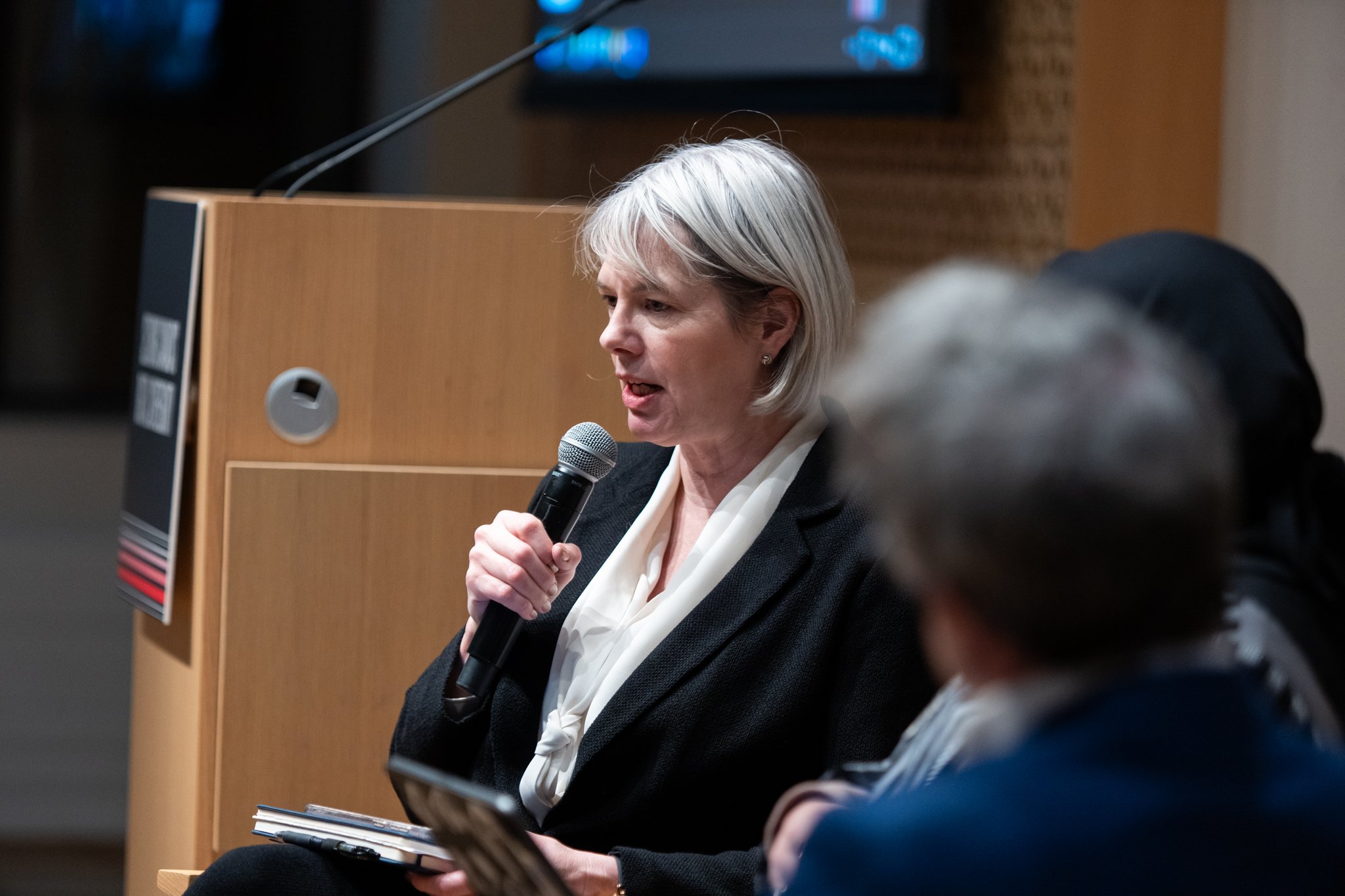
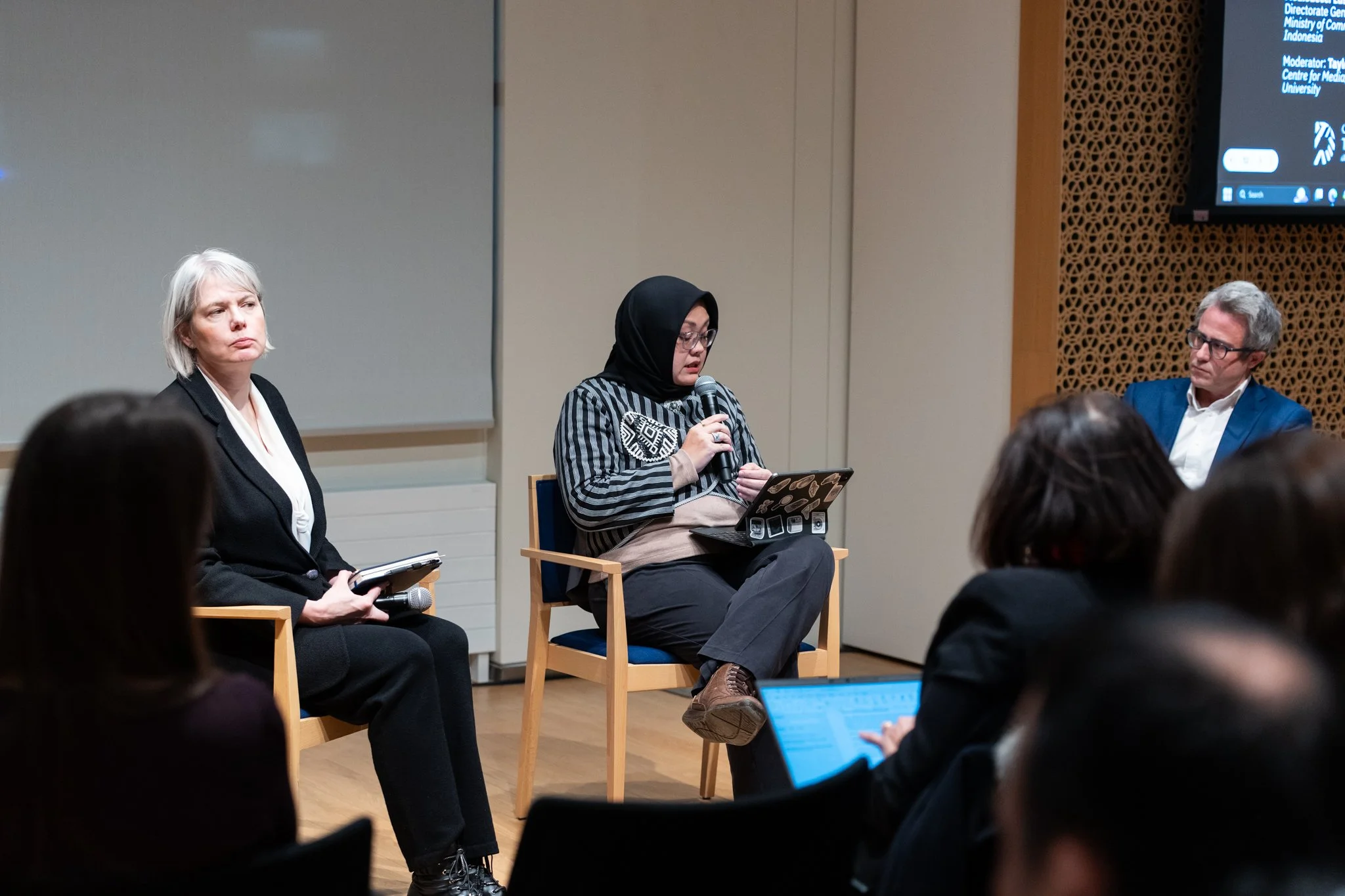
While Canada debates its AI and Online Harms legislation, other jurisdictions have already moved to regulate AI-enabled fraud. Taiwan’s Fraud Crime Hazard Prevention Act requires platforms to verify advertiser identities and rapidly remove scams, cutting fraudulent ads by 90% in the first year. Indonesia’s financial regulator has introduced a code of conduct for trustworthy AI to mitigate deepfake-driven identity fraud. This panel will draw lessons from international innovation in regulating AI scams and consider how Canada could adapt these models.
Moderator: Taylor Owen, Founding Director, Centre for Media, Technology & Democracy, McGill University
Speakers:
Gina Neff, Minderoo Centre for Technology & Democracy, University of Cambridge
Mediodecci Lustarini, Executive Secretary, Directorate General of Digital Space Monitoring, Ministry of Communication and Digital Affairs, Indonesia
6:40 PM - Closing Remarks
Taylor Owen, Founding Director, Centre for Media, Technology & Democracy, McGill University
6:45 PM Reception